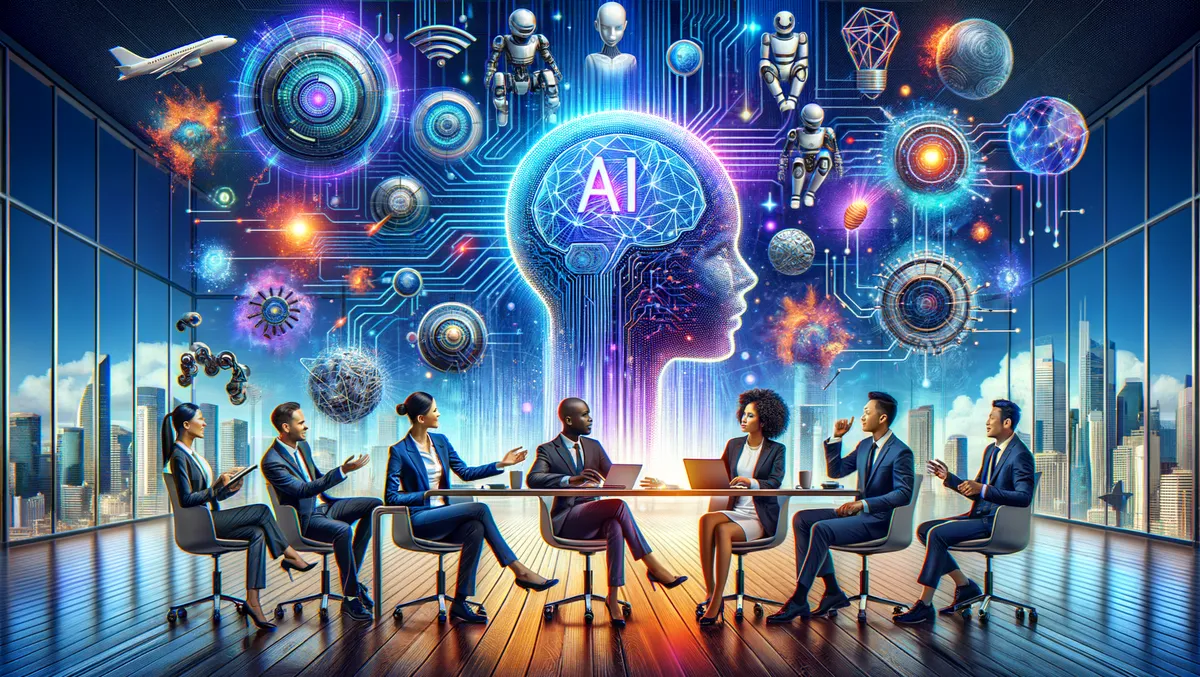
From Managing People to Enabling Teams in the Age of AI
Introduction
Engineering leadership is undergoing one of the biggest transformations in the history of the IT industry.
A decade ago, engineering leaders were often evaluated by:
- Team size
- Number of projects managed
- Budget ownership
- Delivery schedules
- Status reporting
Today, organizations expect something very different.
Modern engineering leaders must:
- Enable teams instead of controlling them.
- Build learning cultures.
- Navigate AI adoption.
- Balance productivity and well-being.
- Support continuous learning.
- Align technology with business goals.
The future engineering leader is no longer just a manager.
They are:
- Coach
- Mentor
- Facilitator
- Technologist
- Communicator
- Change agent
Why Engineering Leadership Is Changing
Several forces are reshaping leadership:
- Artificial Intelligence
- Remote and hybrid work
- Faster technology cycles
- Cloud-native systems
- Smaller and more autonomous teams
- Increased business expectations
Organizations now expect teams to:
- Deliver faster.
- Learn continuously.
- Adopt AI.
- Build reliable systems.
- Innovate constantly.
Traditional command-and-control management struggles in this environment.
The Old Model of Leadership
Traditional leadership often emphasized:
- Reporting status
- Assigning tasks
- Monitoring utilization
- Approving decisions
- Escalating issues
Success was sometimes measured by:
- Number of people reporting
- Number of meetings
- Project dashboards
This approach can create:
- Micromanagement
- Information silos
- Slow decision making
- Reduced ownership
The New Model of Leadership
Modern engineering leaders ask:
- What is blocking the team?
- How can we improve?
- What skills do we need?
- How can AI help us?
- How can we reduce complexity?
Leadership is shifting from:
Managing work
to:
Enabling outcomes
From Managers to Multipliers
Good leaders increase the capability of others.
Poor leaders become bottlenecks.
Multiplier leaders:
- Share knowledge.
- Delegate decisions.
- Encourage growth.
- Build future leaders.
Their success is measured by:
How successful their teams become.
Technical Credibility Still Matters
Future engineering leaders do not need to write production code every day.
However, they should understand:
- Architecture
- Cloud
- Security
- AI tools
- System design
- Delivery practices
Teams often trust leaders who understand the challenges they face.
AI Changes Leadership
AI is changing:
- Coding
- Testing
- Documentation
- Reporting
- Planning
Engineering leaders must answer:
- Where should AI be used?
- What risks exist?
- How do we measure productivity?
- How do we maintain quality?
The challenge is not replacing people.
The challenge is helping teams work effectively with AI.
The Danger of Productivity Metrics
AI tools can increase output.
This creates risks:
- Unrealistic expectations
- Increased workloads
- Burnout
- Reduced quality
Leadership should avoid asking:
If AI makes coding faster, why not double the work?
Instead ask:
How can AI help us improve quality, innovation, and learning?
The Rise of Coaching Leadership
Future leaders spend more time:
- Mentoring
- Listening
- Coaching
- Facilitating
Questions become:
- What are your career goals?
- What skills do you want to develop?
- How can I support you?
Great leaders create more leaders.
Psychological Safety
Teams perform better when people feel safe to say:
- I don’t know.
- I made a mistake.
- I need help.
- I disagree.
Innovation requires psychological safety.
Fear reduces creativity.
Engineering Leadership and Politics
Many employees become frustrated when:
- Credit flows upward.
- Visibility matters more than contribution.
- Team work becomes individual recognition.
Future leaders must:
- Share credit.
- Recognize contributions.
- Promote transparency.
Leadership is not:
Taking credit.
Leadership is:
Creating success for others.
Building Learning Organizations
Technology changes constantly.
Leaders must support:
- Training
- Knowledge sharing
- Experimentation
- Internal workshops
The strongest teams are learning teams.
Data-Driven Leadership
Modern leaders rely on:
- Delivery metrics
- Quality metrics
- Reliability metrics
- Customer feedback
Decisions become:
- Transparent
- Measurable
- Objective
Data reduces politics.
Leadership Skills for the Next Decade
1. Communication
Clear communication builds trust.
2. Technical Awareness
Understanding technology improves decisions.
3. AI Literacy
Leaders must understand:
- AI opportunities
- AI limitations
- Responsible usage
4. Emotional Intelligence
Understanding people becomes increasingly important.
5. Conflict Resolution
Disagreements are inevitable.
Healthy conflict improves teams.
6. Business Understanding
Technology exists to solve business problems.
Leaders connect engineering and business.
Future Skills Matrix
| Skill | Importance |
|---|---|
| Communication | Very High |
| AI Literacy | Very High |
| Coaching | High |
| Technical Awareness | High |
| Business Knowledge | High |
| Data Analysis | High |
| Cloud Fundamentals | Medium |
| Architecture | Medium |
Advice for New Engineering Managers
Do:
- Listen more.
- Ask questions.
- Support learning.
- Remove obstacles.
- Share credit.
Avoid:
- Micromanagement.
- Public criticism.
- Taking ownership of team achievements.
- Measuring only utilization.
Advice for Senior Engineers
Leadership does not always require a management title.
Senior engineers can lead through:
- Mentoring
- Architecture
- Knowledge sharing
- Technical guidance
Technical leadership remains highly valuable.
AI Will Not Replace Leadership
AI can:
- Generate reports.
- Summarize meetings.
- Analyze metrics.
- Suggest actions.
AI cannot:
- Build trust.
- Inspire teams.
- Resolve conflicts.
- Understand emotions.
- Create culture.
Leadership remains deeply human.
The Future Engineering Leader
Future leaders will:
- Understand technology.
- Understand people.
- Understand business.
- Use AI effectively.
- Build learning cultures.
Their teams will be:
- Smaller
- More autonomous
- More skilled
- More collaborative
Final Thoughts
The future of engineering leadership is not about controlling people.
It is about:
- Enabling teams
- Supporting learning
- Building trust
- Encouraging collaboration
- Using AI responsibly
Technology will continue to change.
Frameworks will evolve.
AI capabilities will expand.
But organizations will still need leaders who can:
- Develop people.
- Align teams.
- Build culture.
- Create environments where others succeed.
The engineering leaders of the next decade will not be measured by how many people report to them.
They will be measured by how many people they helped grow.